

The Ultimate Overnight & Multi-Day Hiking Gear Checklist for Australia (2026 Guide)
Everything you need to pack for a safe, comfortable and unforgettable hiking adventure.
Whether you're planning your first overnight hike or tackling a multi-day trail through the Grampians, Wilsons Promontory, the Australian Alps or Tasmania, having the right gear can make all the difference.
Packing smart means staying comfortable, reducing fatigue and being prepared for changing weather and unexpected situations. In this guide, we'll walk you through the essential hiking gear every Australian adventurer should consider before hitting the trail.
Quick Navigation
- Choosing the Right Hiking Backpack
- Shelter & Sleep System
- Food, Cooking & Water
- Clothing for Australian Conditions
- Where to Buy Hiking Gear Anaconda
- Planning Your Hiking Trip with Camplify
- Navigation & Safety Equipment
- Hema Maps & Navigation Tools
- Useful Hiking Accessories
- Complete Hiking Gear Checklist
- Frequently Asked Questions
If you're exploring remote areas, check out our GPS & Navigation Guides before you leave.
Choosing the Right Hiking Backpack
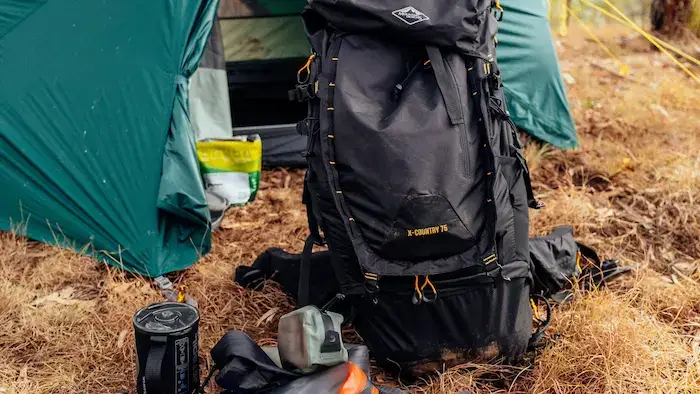
Your backpack is the most important piece of hiking equipment you'll carry. It needs to fit well, distribute weight comfortably and have enough capacity for everything you'll need.
For most overnight adventures, a 40–65 litre backpack is ideal. Longer expeditions may require a larger pack depending on your gear and food requirements.
Look for:
- Adjustable harness system
- Comfortable padded hip belt
- Ventilated back panel
- Integrated rain cover
- Hydration bladder compatibility
- Multiple storage compartments
Not sure which pack is right for you? Read our Best Hiking Backpacks for Australian Adventures guide.
Adventure Hooked Tip:
Pack heavier items close to your back and around shoulder height to improve balance and reduce strain on long hikes.
Shelter & Sleep System
A good night's sleep is essential when hiking multiple days. Lightweight camping equipment allows you to recover properly and enjoy the next day's adventure.
Essential Shelter Gear
- Lightweight hiking tent
- Groundsheet or footprint
- Tent pegs
- Spare guy ropes
Sleeping Gear
- Sleeping bag suited to the season
- Sleeping mat
- Inflatable pillow
- Sleeping bag liner
When choosing your sleep system, always check the expected overnight temperatures and select equipment suitable for those conditions.
Food, Cooking & Water
The further you hike, the more important nutrition becomes.
Choose lightweight foods that provide plenty of energy without adding unnecessary weight.
Great Hiking Foods
- Freeze-dried meals
- Instant oats
- Trail mix
- Protein bars
- Nuts
- Beef jerky
- Dried fruit
Cooking Equipment
- Compact camping stove
- Fuel canister
- Lightweight cooking pot
- Mug
- Cutlery
- Lighter or fire starter
Staying Hydrated
Water is one of the heaviest items you'll carry, so planning refill points is essential.
Bring:
- Water bottles
- Hydration bladder
- Water filter
- Water purification tablets
Clothing for Australian Conditions
Australian weather can change quickly, especially in alpine regions.
The best strategy is to dress in layers.
Base Layer
Moisture-wicking clothing helps regulate body temperature while keeping you dry.
Mid Layer
A fleece or lightweight insulated jacket provides warmth during cool mornings and evenings.
Outer Layer
A waterproof and windproof jacket protects against rain and strong winds.
Don't Forget
- Hiking pants or shorts
- Quality hiking socks
- Wide-brim hat
- Sunglasses
- Gloves
- Beanie
Comfortable hiking boots that have already been worn in are one of the best investments you can make.
Navigation & Safety Equipment
Preparation keeps adventures enjoyable.
Even if you're following a popular walking track, always carry basic navigation and emergency equipment.
Essential Safety Gear
- Paper map
- Compass
- GPS device or offline mapping app
- Headlamp
- Spare batteries
- First aid kit
- Emergency blanket
- Multi-tool
- Personal Locator Beacon (PLB)
- Whistle
Always tell someone where you're going and when you expect to return.
Useful Hiking Accessories
These small additions can greatly improve comfort during longer hikes.
Consider packing:
- Trekking poles
- Dry bags
- Power bank
- Solar charger
- Camp chair
- Repair tape
- Tent repair kit
- Paracord
- Sunscreen
- Insect repellent
- Toilet kit
- Rubbish bags
Complete Overnight Hiking Checklist
Backpack
- Hiking backpack
- Rain cover
- Dry bags
Shelter
- Tent
- Pegs
- Groundsheet
Sleep System
- Sleeping bag
- Sleeping mat
- Pillow
Cooking
- Stove
- Fuel
- Pot
- Mug
- Cutlery
Food
- Breakfast
- Lunch
- Dinner
- Snacks
Water
- Water bottles
- Water filter
Clothing
- Hiking clothes
- Waterproof jacket
- Warm layer
- Spare socks
- Hat
Safety
- Map
- Compass
- GPS
- Headlamp
- First aid kit
- PLB
- Emergency blanket
- Multi-tool
Final Thoughts
An overnight or multi-day hike is one of the best ways to experience Australia's incredible landscapes. With the right preparation and quality gear, you'll stay safer, hike more comfortably and enjoy every moment on the trail.
Before your next adventure, make sure you've packed everything on this checklist and chosen equipment that's suitable for the conditions you'll encounter.
Adventure Hooked is here to help Australian families and outdoor enthusiasts discover the best gear, expert hiking advice and trusted recommendations for every adventure.
Frequently Asked Questions
What size hiking backpack do I need for an overnight hike?
- A backpack between 40 and 65 litres is suitable for most overnight hiking trips.
How much water should I carry?
- Carry enough water for the expected conditions and always have a reliable method to filter or purify additional water along the trail.
Do I need a Personal Locator Beacon (PLB)?
- If you're hiking in remote areas with limited mobile reception, carrying a PLB is strongly recommended for emergency situations.
What's the most important piece of hiking gear?
- A properly fitted backpack and comfortable hiking boots are two of the most important investments for any hiker.
Where can I buy quality hiking gear?
- Adventure Hooked recommends trusted outdoor retailers, including Anaconda, for hiking backpacks, tents, sleeping bags, clothing, navigation equipment and camping accessories.